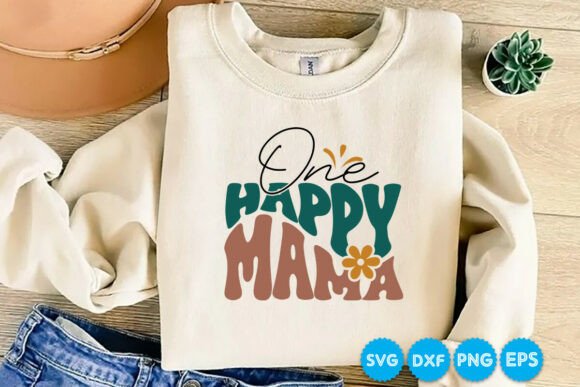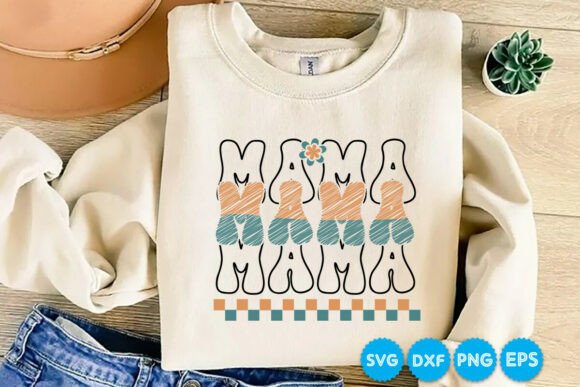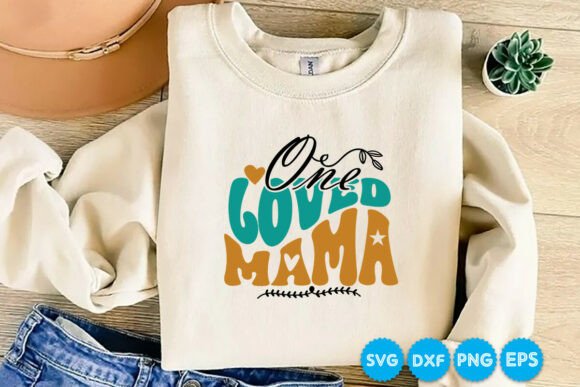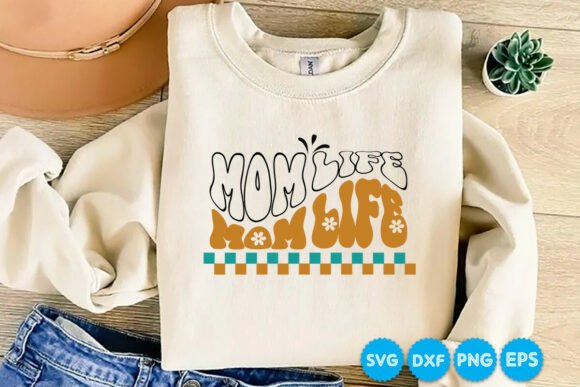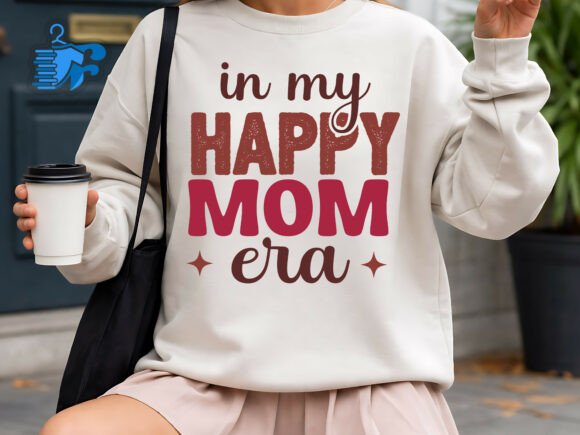
In My Happy Mom Era SVG Design
First Impressions: Warm, Simple, and Ready for Real Life
Opening the ZIP folder for In My Happy Mom Era SVG Design, I paused—not because it’s flashy, but because it feels instantly familiar. The layout is clean and centered, with soft rounded lettering and a gentle, slightly playful script that leans into warmth without tipping into cutesy overload. There’s no extra ornamentation: no hearts, no flowers, no cartoon moms—just confident, approachable typography and balanced negative space. That simplicity is its strength. As a designer who’s stitched hundreds of phrases onto baby onesies, tote bags, and boutique aprons, I immediately saw where this would land best: on a relaxed-fit sweatshirt for a mom-owned coffee shop, or embroidered in muted sage thread on a linen tea towel for a baby shower gift.
Where It Shines: Real Projects, Real Stitching
I tested In My Happy Mom Era SVG Design across three real-world applications: a medium-weight cotton tote bag (for a local craft fair booth), a 100% cotton unisex sweatshirt (for a small shop’s spring collection), and a lightweight cotton-blend baby blanket (as a personalized gift). In every case, the design held up beautifully—especially when converted to a machine embroidery design with moderate stitch density. The letterforms are generous enough to avoid thinning out on fill stitch, and the curves flow smoothly under satin stitch without pinching or distortion. On the sweatshirt, it read clearly even at 3.5" wide—no blurring, no skipped stitches. On the baby blanket, I used a light tear-away stabilizer and a size 75 needle, and the result looked hand-finished, not rushed.
This isn’t just a phrase—it’s a mood anchor. Customers respond to authenticity, and In My Happy Mom Era SVG Design delivers that without shouting. For Etsy sellers, it fits cleanly into listings for “mom life” bundles, nursery decor sets, or self-care-themed apparel. As a digital embroidery file, it works equally well as a standalone patch design or scaled down for a delicate cap front. Its versatility across custom apparel, embroidered patch, and holiday embroidery makes it a smart addition to any craft business’s design assets library.
Where to Pause—and Why
That said, not every surface is ideal. I wouldn’t push In My Happy Mom Era SVG Design onto ultra-thin fabric like rayon challis or stretchy performance knits without significant digitizing tweaks—those letterforms need stability to hold shape. On dark fabric, contrast matters: a light thread (ivory, pale grey, or soft peach) reads better than stark white, which can look harsh. And while the design is friendly and legible, the lowercase “a” and “e” have subtle counters—if you’re stitching below 2.75", those details may soften or disappear entirely. So for caps, curved surfaces, or tiny lettering applications, test first on scrap fabric with your exact hoop size and stabilizer combo.
Also worth noting: this is a graphics-style file—not an applique design. There’s no built-in layering, no raw-edge suggestions, no satin-stitched borders. If you’re planning to use it as part of a larger applique design, treat it as a foundational element, not a finished composition. And because it’s delivered in SVG, DXF, PNG (transparent), and EPS formats, remember: none of these are native embroidery files. You’ll need to digitize it properly—or work with a digitizer—before running it on your machine. Don’t assume the SVG will stitch cleanly “as-is.”
Design Notes Every Embroidery Professional Should Check
- Test on scrap fabric first—especially if using textured fabrics like terry cloth or bouclé.
- Review stitch density before scaling up; dense fills can stiffen lightweight items like pillow covers or baby clothes.
- Confirm hoop size: the original layout fits comfortably in a 4x4 hoop at standard scale—but verify before hooping expensive garments.
- Inspect small details in both black and white mockups—some screens flatten subtle weight shifts in the lettering.
- Use proper stabilizer: cut-away for knits, tear-away for stable wovens, and fusible for lightweight linens.
- Check licensing before selling finished products or reselling the digital embroidery file—this is essential for Etsy sellers and small shop owners.
How It Shapes Perception—and Why That Matters
What surprises me most about In My Happy Mom Era SVG Design isn’t how it looks on screen—it’s how it lands emotionally once stitched. On a handmade product, it signals intention. Not trend-chasing, not irony—just quiet confidence. That affects customer trust, especially for buyers seeking meaningful, non-generic gifts. It also supports brand consistency for shops leaning into mindful parenting, slow living, or modern motherhood themes. I’ve seen similar phrases fall flat when over-digitized or poorly spaced—this one avoids that trap. The rhythm of the words feels natural, not forced. And because it’s delivered as clean vector assets, it scales gracefully for printable mockups, social media previews, and digital product listings.
A Final Thought for Crafters and Creative Entrepreneurs
If you're evaluating In My Happy Mom Era SVG Design for your next crafts project, ask yourself: does it serve the person wearing or gifting it—not just the seller listing it? Does it feel like something a real mom would choose for herself, not something she’d tolerate on a clearance rack? For me, the answer was yes—especially when paired thoughtfully with fabric, thread, and context. It’s not revolutionary, but it’s reliable. And in the world of handmade product creation, reliability is rare, valuable, and deeply underrated.