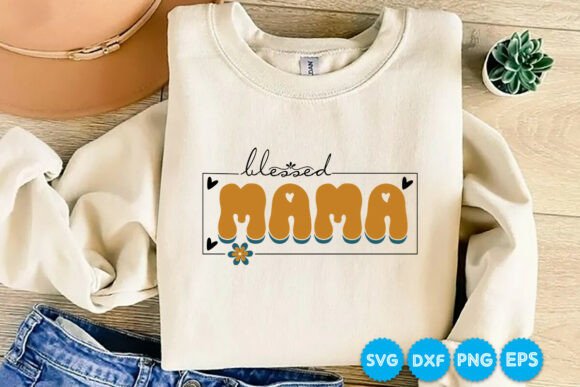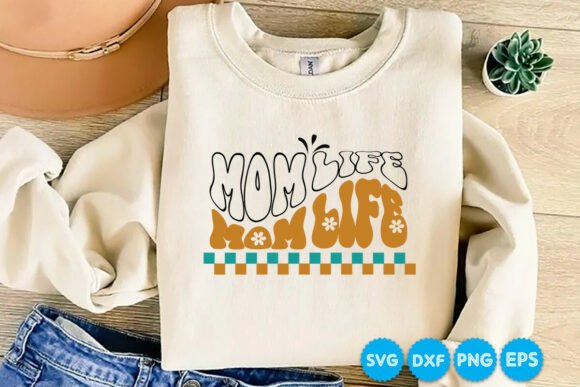
Mom Life Retro SVG Design, SVG
First Impression: Warm, Witty, and Instantly Recognizable
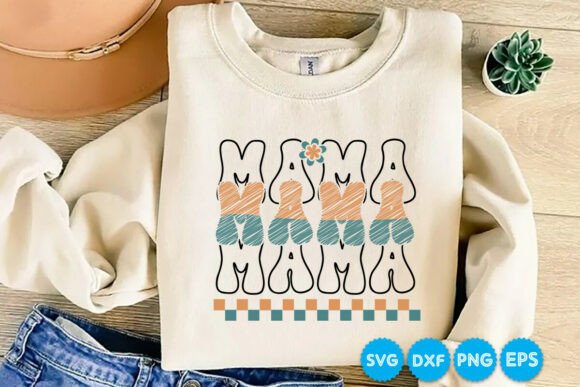
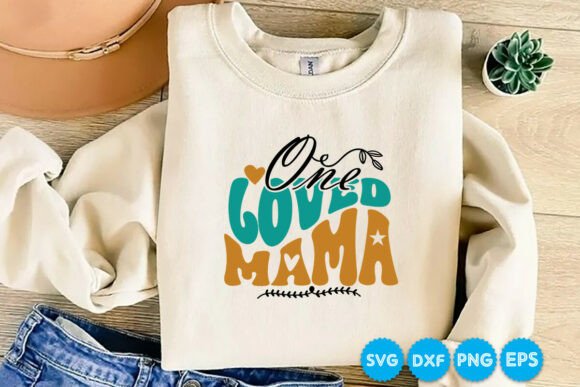
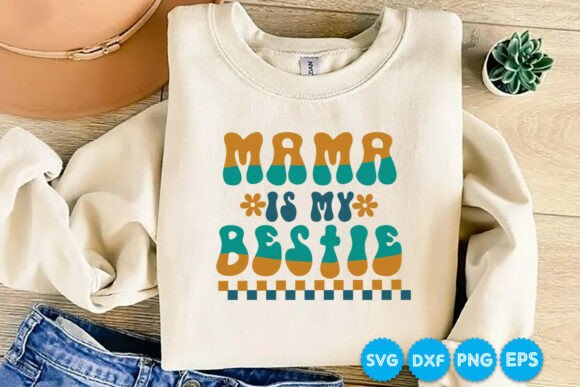
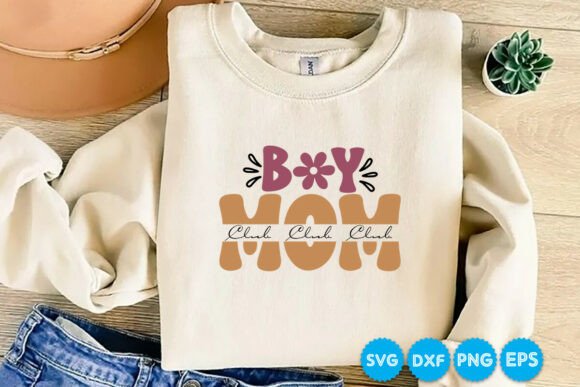
Opening the Mom Life Retro SVG Design, SVG file feels like flipping through a well-loved 70s scrapbook—bold outlines, playful curves, and that unmistakable retro charm. It’s not overly detailed or fussy; instead, it leans into confident simplicity: clean lettering with subtle swashes, a stylized heart or sunburst motif (depending on version), and balanced negative space. As a designer who’s stitched hundreds of “mom-themed” pieces for boutique clients and Etsy shops, I immediately sensed its strength: it reads clearly at 3–4 inches wide, carries emotional warmth without cliché, and avoids visual clutter that trips up embroidery execution.
A Real Project Test: Embroidering a Linen Tote for a Local Mom Pop-Up
Last week, I used the Mom Life Retro SVG Design, SVG to create limited-edition linen tote bags for a neighborhood “Mom & Maker” pop-up. We chose natural linen—textured, slightly uneven, and unforgiving of dense stitching or thin lines. The design scaled beautifully to 3.5" wide, centered on the bag’s front panel. Because the vector is layered and editable, I easily adjusted spacing between words and softened one sharp corner to prevent thread nesting. What stood out wasn’t just how it looked—but how it *behaved* under the needle: smooth satin stitch curves held their shape, minimal fill stitch areas avoided puckering, and the open layout gave stabilizer room to do its job.
Where It Shines (and Where to Pause)
The Mom Life Retro SVG Design, SVG excels in projects where personality meets practicality:
- Custom apparel: Works cleanly on cotton sweatshirts, structured tees, and even lightweight denim jackets—especially when placed on chest or upper back panels.
- Embroidered patch: Its bold silhouette and defined edges make it ideal for iron-on or sew-on patches on backpacks, caps, or baby bibs.
- Tote bag design and kitchen towel applications benefit from its generous spacing and low-detail density—no ghosting or bleeding on absorbent weaves.
- Baby embroidery and nursery decor: Softens nicely on muslin pillows or organic cotton onesies when stitched with pastel threads and light stabilizer.
- Holiday embroidery and wedding gifts: Paired with neutral linens or vintage-style canvas, it adds heartfelt character without overwhelming formal presentation.
That said—use caution on:
- Stretchy fabric (like jersey or ribbed knits): The design’s clean lines rely on stability—always pair with cutaway stabilizer and test tension first.
- Curved surfaces (caps, beanies): Avoid placing the full layout across the crown; break it into two elements or use only the central icon.
- Thin or sheer fabrics (chiffon, voile): Backing shows through easily—stick to medium-weight natural fibers unless you’re layering with lining or interfacing.
- Dark fabric: The PNG preview helps, but always test thread colors in natural light—not just on screen. A warm cream or soft terracotta often reads more authentically than stark white.
Design Integrity Meets Commercial Reality
As an embroidery designer and small shop owner myself, I judge designs not just by aesthetics—but by how they hold up in real commerce. The Mom Life Retro SVG Design, SVG supports brand consistency: it’s distinctive enough for repeat buyers (“I recognize that font!”), yet versatile enough to pair with florals, polka dots, or minimalist layouts. Customers respond to its authenticity—it doesn’t shout “mom guilt” or lean into tired tropes. Instead, it feels intentional, handmade, and quietly confident.
For Etsy sellers and craft business owners, this design boosts perceived value: it photographs well on mockups, scales cleanly for social media thumbnails, and translates smoothly into printable mockup assets. Buyers trust items that look professionally finished—not over-digitized, not pixelated, not cramped. That clarity builds trust faster than any description ever could.
Practical Embroidery Designer Notes You’ll Actually Use
Before stitching your first finished product, here’s what I do—and recommend you do too:
- Test on scrap fabric first—same fiber, same weight, same dye lot if possible.
- Check thread color contrast in both daylight and indoor lighting. Retro palettes can shift dramatically.
- Review stitch density visually: look for tight clusters or long satin runs that may need editing for your machine’s capabilities.
- Confirm hoop size early—this design fits comfortably in a 4x4 hoop, but stretching beyond requires careful digitizing adjustments.
- Inspect small details at 200% zoom: are corners sharp? Are letters legible at 1/4" height? Does the heart or star retain shape?
- Test black-and-white mockups: if it reads in grayscale, it’ll read in thread.
- Compare light and dark fabric backgrounds using your PNG file—it’s high-res and transparent, so it previews accurately.
- Use proper stabilizer: tear-away works for stable wovens; cutaway is safer for knits or textured crafts like tea towels.
- Verify licensing before selling finished items or bundling as design assets. This is a digital embroidery file, not a royalty-free license—check terms before scaling for wholesale or digital resale.
Final Thought: A Thoughtful Tool, Not Just a Trend
The Mom Life Retro SVG Design, SVG isn’t flashy—but it’s reliable, expressive, and built for real work. It belongs in your embroidery project toolkit alongside your favorite stabilizers and thread collection: something you reach for when you want warmth, wit, and wearability—all in one clean vector. Whether you’re stitching a single personalized gift or producing a batch of boutique merchandise, it delivers quiet professionalism without sacrificing heart. And in the world of handmade product and small shop product, that balance is rare—and valuable.