Hockey Mom Shirt SVG: A Designer's Honest Review
There is a particular kind of pride that comes with being a hockey mom, and it deserves a design that captures it without feeling generic or overly complicated. When I first opened the Hockey Mom Shirt SVG Template Svg, I was looking for something that could translate cleanly from screen to stitch, and more importantly, something that would actually sell. The file arrived as promised, an instant download with no physical item, which is exactly what I expect from a digital Graphics asset in the Crafts space. The real question was whether it would hold up under the needle.
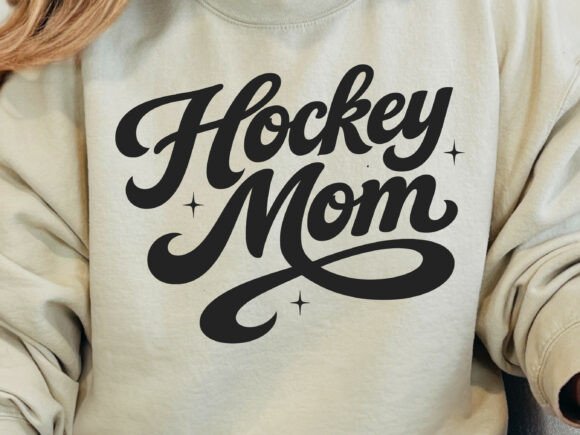
My first impression was shaped by the mood of the design. It leans into a spirited, affectionate tone, the kind that makes a fellow hockey parent nod in recognition. The layout felt balanced, with enough breathing room around the lettering to avoid a cramped stitch area. Too many sports-themed SVGs try to cram in sticks, pucks, and elaborate typography all at once, but this one showed restraint. That restraint is valuable when you are planning an embroidery project, because every extra detail becomes a stitch density decision later.
When a Design Feels Ready for the Hoop
I loaded the file into my software expecting to spend time cleaning up nodes, but the structure was surprisingly tidy. The shapes were closed, the curves smooth, and the overall composition felt intentional. For a machine embroidery design workflow, this matters enormously. A design that looks beautiful as a flat vector can become a nightmare of jump stitches and trims if the paths are not clean. The Hockey Mom Shirt SVG Template Svg gave me confidence that I could move straight into digitizing without hours of cleanup.
The visual personality of the design sits somewhere between bold and playful. It does not scream, but it definitely announces itself. I pictured it stitched onto a crewneck sweatshirt in a deep navy, with the lettering rendered in a crisp white satin stitch. That mental image alone told me this design had commercial legs. When you are evaluating a digital embroidery file for your shop, you learn to trust that gut feeling, the one that says customers will stop scrolling and click.
A Real Project Puts Everything to the Test
I decided to test the concept on a custom tote bag order for a client who runs a small boutique catering to hockey families. She wanted something that felt polished but personal, and a tote bag design seemed like the perfect canvas. The tote was a medium-weight canvas in charcoal gray, and I planned to use the design as the focal point on the front panel. Before committing to the final product, I ran a sample on scrap fabric with a similar weave and weight.
The lettering held up beautifully. The spaces between characters remained distinct even at a slightly smaller size, which is not always the case with script or decorative fonts. I used a medium-weight cutaway stabilizer to support the stitch density, and the fabric showed no puckering around the edges of the design. That is a win in any embroidery project, but especially on a tote bag that will be tossed around rink-side, stuffed with gloves and snacks, and generally treated without mercy.
My client loved the sample. She immediately ordered a batch of twelve, with plans to list them in her online shop. That is the kind of response a handmade product needs to generate, and the design was doing its job. It was not just pretty on screen, it was driving real craft business decisions.
Where the Design Shines and Where Caution Is Needed
In my experience, the Hockey Mom Shirt SVG Template Svg performs best on stable, medium-weight fabrics. Cotton canvas, twill, denim, and fleece all handle the stitch density well. I would not hesitate to use it on a sweatshirt embroidery project or a structured cap. The design has enough presence to work as a chest print on a t-shirt or as a larger back piece on a hoodie. It also scales nicely for an embroidered patch, which opens up a whole other product category for Etsy seller shops and craft fair vendors.
However, there are situations where you should proceed with care. Small hoop sizes can force the lettering into a scale where fine details begin to close up. If you are working with a 4x4 inch hoop, I recommend testing the design on a similar fabric before committing to a full run. Thin fabrics, such as lightweight jersey or performance tees, will need extra stabilization and possibly a topping to prevent the stitches from sinking into the weave. Stretchy fabric demands a careful choice of backing and possibly a basting stitch to hold everything in place during the embroidery process.
Dark fabric presents another consideration. The design relies on contrast for readability, so thread color selection becomes critical. I tested a black-on-black version for a subtle tone-on-tone effect, and while it worked, it lost some of the punch that makes the design so appealing. For custom apparel that needs to stand out, I would lean toward high-contrast combinations, navy with white, red with cream, or forest green with gold.
Thread Choices and Stitch Decisions
When I digitized the design, I opted for a combination of satin stitch on the main lettering and a light fill stitch on any decorative elements. The satin stitch gave the text a glossy, professional finish that catches the light nicely. I kept the stitch density moderate, tight enough to create solid coverage but not so dense that the thread would perforate the fabric. That balance is something every embroiderer learns through trial and error, and it is worth taking the time to get right.
Thread color selection can make or break the final look. For a personalized gift ordered by a proud hockey mom, I often use the team colors as a starting point. The design is versatile enough to adapt to different palettes without losing its identity. I have seen it stitched in classic black and white, in bold red and white, and even in a softer pastel combination for a baby embroidery onesie that was gifted at a hockey-themed baby shower. Each version felt distinct, but the core personality of the design remained intact.
From a Maker's Perspective: What Actually Matters
I have been designing and stitching long enough to know that the gap between a digital file and a finished product is where most problems hide. The Hockey Mom Shirt SVG Template Svg bridges that gap better than many similar files I have tested. It does not overpromise with intricate details that disappear under thread, and it does not rely on trendy elements that will feel dated by next season. That longevity is important for a small shop product, because you want designs that can sit in your catalog and sell consistently over time.
One practical tip I always share with fellow makers is to test the design in a black and white mockup before stitching. Removing color forces you to evaluate the composition purely on shape and contrast. When I did this with the hockey mom design, the lettering remained legible and the overall balance held up. That is a strong indicator that the design will work across a range of printable mockup presentations and on different fabric backgrounds.
Another habit I recommend is checking the design against both light and dark fabric backgrounds in your software preview. What looks crisp on a white screen can lose definition on a navy or black garment. The Hockey Mom Shirt SVG Template Svg passed this test as well, though I did find that slightly increasing the letter spacing on darker backgrounds helped maintain clarity. It is a small adjustment, but it makes a noticeable difference in the finished product.
Licensing, Selling, and Building Customer Trust
If you are planning to use this design for commercial embroidery purposes, whether on garments you sell, patches you produce, or products you list on Etsy, you need to confirm the licensing terms. The product description states it is an instant download digital product, but it does not spell out the commercial use policy in the snippet provided. I always advise checking the full license before including any design assets in a revenue-generating product line. It protects your business and shows respect for the original designer's work.
When I sell finished items featuring this design, I include a small care instruction card with every order. Customers appreciate knowing how to wash and dry their handmade product without damaging the embroidery. A simple note about turning the garment inside out, using cold water, and avoiding high heat in the dryer goes a long way toward preserving customer trust and reducing returns.
Who This Design Is Really For
The Hockey Mom Shirt SVG Template Svg is not just a file, it is a conversation starter. It resonates with a specific audience that is passionate, loyal, and willing to spend on quality custom apparel. I have seen it used on apron designs for hockey team fundraisers, on pillow cover projects for arena lobby seating, and on holiday gift items that sold out faster than expected. Each time, the reaction from the end user was the same, a genuine smile of recognition and pride.
For creative entrepreneurs and apparel decorators, this design offers a reliable foundation. It does not require advanced digitizing skills to produce a professional result, and it works across a wide range of products without needing major modifications. That versatility translates directly into more listings, more craft fair products, and more opportunities to connect with customers who see themselves in the design.
If you are building a small business merchandise line around sports family themes, this file deserves a spot in your library. It fills a niche that is consistently in demand, and it does so with a sense of style that feels current without chasing fads. From nursery decor to tea towels to hats and beyond, the applications are broader than the product title might suggest.
Ultimately, the Hockey Mom Shirt SVG Template Svg earns its place in my rotation of go-to embroidery file options. It stitches cleanly, sells reliably, and represents the end user with heart. That combination is rare enough to be worth celebrating, and practical enough to keep me coming back to it project after project.